
The way we access financial services and carry out transactions has changed more in recent years than in decades prior. Traditional payment mechanisms, once limited by business hours, physical branches, and bureaucratic processes, are being replaced by digital solutions that operate 24/7 from anywhere.
This transformation is driven by technological advances that not only speed up operations but also redefine the user experience and business models in the financial sector. From instant payment systems to applications integrating artificial intelligence (AI) to optimize processes, the banking of the future is emerging as a central element of the digital economy.
This article explores how technology is shaping this change, how it affects money management, and why these innovations have a significant impact on both personal finance and the structure of global financial services.
The evolution from traditional banking to digital banking
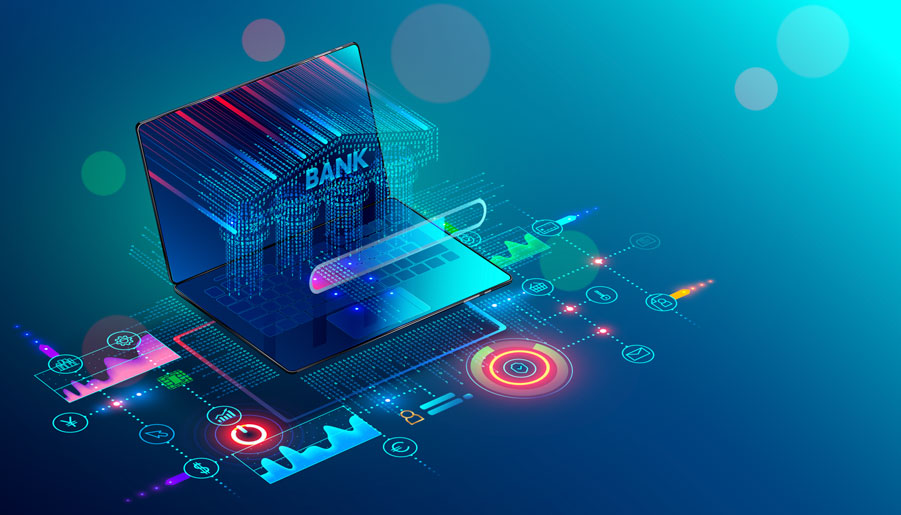
For decades, traditional banking relied on physical branches, manual processes, and long waiting times. Digitalization has radically changed this model.
Today, digital banking enables:
- Remote access to financial services
- Real-time operations
- Centralized account and payment management
- Reduced operational costs
This shift has improved the efficiency of the financial system and broadened access to banking services.
What are the payments of the future?
Payments of the future are fast, digital, and secure. They include systems that allow instant transfers and operations without physical intermediaries.
Key features include:
- Immediacy in transactions
- Integration with digital platforms
- Greater financial traceability
- Optimized user experience
These systems reflect the natural evolution of finance toward a more agile and connected environment.
The role of technology in financial transformation
Technology is the central pillar of modern banking. Digital tools enable:
- Automation of financial processes
- Analysis of large volumes of data
- Enhanced transaction security
- Personalized financial services
AI plays a key role by optimizing processes, detecting behavioral patterns, and improving user experience on banking platforms.
AI and personalized financial services
Integrating AI into banking and payments enables:
- Analysis of financial habits
- Personalized recommendations
- Early risk detection
- Automation of customer support
This personalization strengthens the relationship between users and financial institutions, fostering trust in digital systems.
Security and trust in digital payments
Security is a fundamental pillar of modern finance. Digital payments incorporate multiple layers of protection:
- Advanced authentication
- Continuous transaction monitoring
- Fraud detection systems
- Data encryption protocols
These measures aim to safeguard financial information and maintain confidence in the payment systems of the future.
Impact on personal and business finance
Digital banking and future payments directly influence:
- Efficient personal finance management
- Optimization of business cash flows
- Greater control and visibility of funds
- Reduced friction in transactions
These benefits demonstrate how financial innovation improves everyday economic life.
Trends shaping the banking of the future
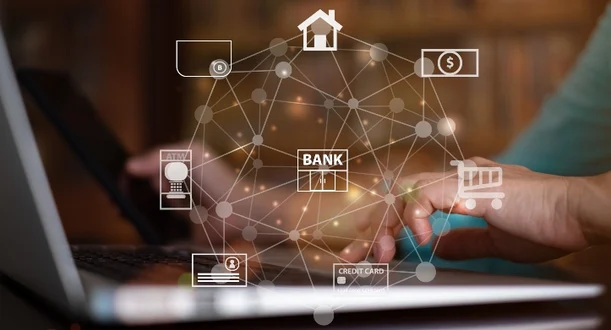
Some key trends include:
- Complete digitalization of banking services
- Integration of AI and predictive analytics
- Instant and frictionless payments
- Greater global financial inclusion
These trends reinforce the move toward a financial system that is more accessible, efficient, and user-centered.
Challenges of future banking and payments
Despite their advantages, there are significant challenges:
- Protection of personal data
- Digital financial literacy
- Regulatory adaptation
- Technological dependence
Addressing these challenges will be crucial to ensure the sustainability of the financial system.
Conclusion
Technological advancement in banking and payments not only offers greater convenience and speed but also introduces challenges and opportunities in how we understand money and finance. As these solutions consolidate, the boundary between traditional and digital financial services becomes increasingly blurred.
Understanding this process is not merely a matter of following trends; it is a way to prepare for a financial system that is more integrated, dynamic, and personalized. The digitalization of banking and payments reflects an evolution toward an environment where technology, efficiency, and accessibility are as important as trust and security.
Those who adopt these innovations with critical understanding will be better positioned to take advantage of a financial system that continues to adapt to technological change and the needs of the modern economy.
This content is for educational purposes only and does not constitute financial advice. Consult professional sources before making financial decisions.