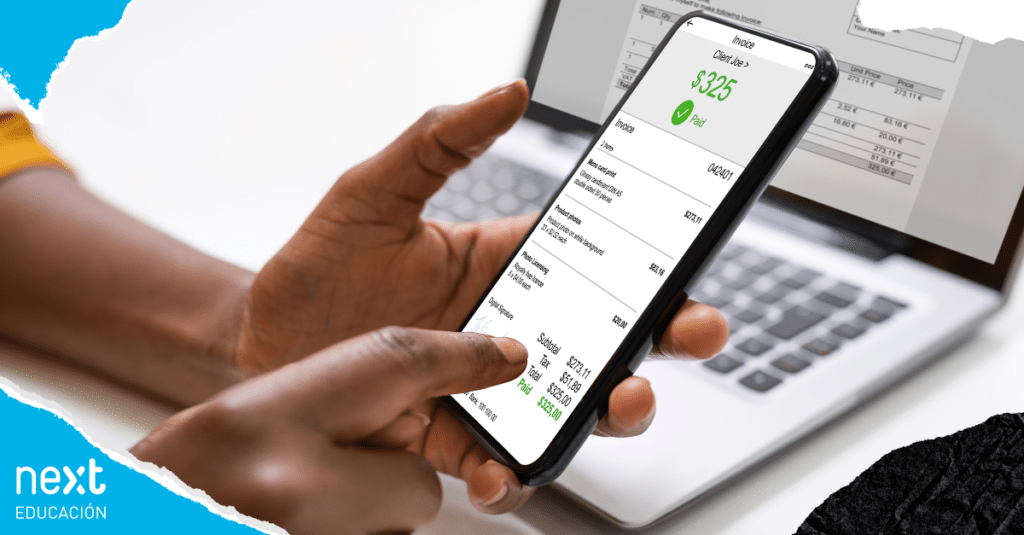
Introduction: Choosing the Right Way to Send Money
Sending money internationally is no longer a uniform process. Users now face multiple payment options, ranging from traditional banks to fintech platforms and cryptocurrencies. Choosing the right method directly impacts speed, costs, and security—especially for businesses and individuals who make frequent transactions or transfer large amounts.
In this article, we take an in-depth look at international payment methods, comparing advantages, disadvantages, and risks, with a focus on FINANCE / AI, blockchain, and fintech trends. By the end, you’ll have the tools needed to choose the most efficient method based on your specific needs.
Types of International Payment Methods
There are four main categories:
1. Traditional Bank Transfers
Process: The sender transfers funds from their bank to the recipient’s correspondent bank.
Average time: 1–5 business days.
Costs: High fees, typically USD 20–50 per transaction, plus unfavorable exchange rates.
Security: High, but dependent on each bank’s compliance standards.
2. Fintech P2P Platforms
Process: Direct transfers between sender and recipient using mobile apps or web platforms.
Average time: Minutes to hours.
Costs: Low, usually USD 1–5 or a small percentage.
Security: High if the platform is regulated; AI and encryption protect data and transactions.
3. Cryptocurrencies and Stablecoins
Process: Direct transfers via blockchain, without intermediaries.
Average time: Seconds to minutes, depending on the network.
Costs: Extremely low with stablecoins; higher volatility with other cryptocurrencies.
Security: High with proper wallet management and blockchain protocols; user error remains a risk.
4. Hybrid Services or Digital Banks
Process: Banks that integrate fintech solutions and blockchain infrastructure.
Average time: Minutes to 1 day.
Costs: Moderate, with competitive fees.
Security: Very high; regulated institutions using AI for fraud detection.
Detailed Comparison: Speed, Cost, and Security
| Method | Speed | Costs | Security | Best Use Case |
|---|---|---|---|---|
| Traditional banks | 1–5 days | USD 20–50 | High | Large transfers with regulatory backing |
| Fintech P2P | Minutes–hours | USD 1–5 | High | Frequent remittances, individuals, SMEs |
| Stablecoins / Blockchain | Seconds–minutes | < USD 1 | High (with secure wallets) | Instant global payments and micropayments |
| Hybrid digital banks | Minutes–1 day | USD 5–15 | Very high | Users seeking speed with regulation |
Practical Examples
Case 1: Family Remittances
María sends USD 500 from Spain to Mexico.
- Traditional bank: Arrives in 3 days, USD 30 fee
- Fintech P2P: Arrives in 30 minutes, USD 2 fee
- Stablecoins: Arrives in 10 minutes, USD 0.50 fee
Case 2: International Business Payments
A company pays suppliers in Asia USD 10,000.
- Traditional bank: Secure, but slow settlement
- Hybrid digital banks: Fast, secure, with automated tracking
- Blockchain: Instant, but requires training and proper wallet management
Benefits of Each Method
Traditional Banks
- Strong regulatory backing
- Legal protection in case of errors
- Suitable for very large transactions
Fintech P2P Platforms
- Speed and low costs
- Accessible to all types of users
- Integration with mobile apps and fintech dashboards
Stablecoins and Blockchain
- Instant global payments
- Full transparency for each transaction
- Ideal for micropayments and tokenized assets
Hybrid Digital Banks
- Balance between security, speed, and regulation
- AI integration for analysis and fraud prevention
- Real-time payment tracking
Risks and Precautions
- Transaction errors: Incorrect addresses or exchange rate mistakes
- Incomplete regulation: Some cryptocurrencies lack legal backing in certain countries
- Crypto volatility: Stablecoins are more reliable for regular payments
- Insecure platforms: Unregulated fintech services may be vulnerable to fraud
Recommendations:
- Use regulated and audited platforms
- Prefer stablecoins for fast payments
- Monitor transactions through dashboards or apps
- Enable multi-factor authentication and data encryption
Future Trends in Payment Methods
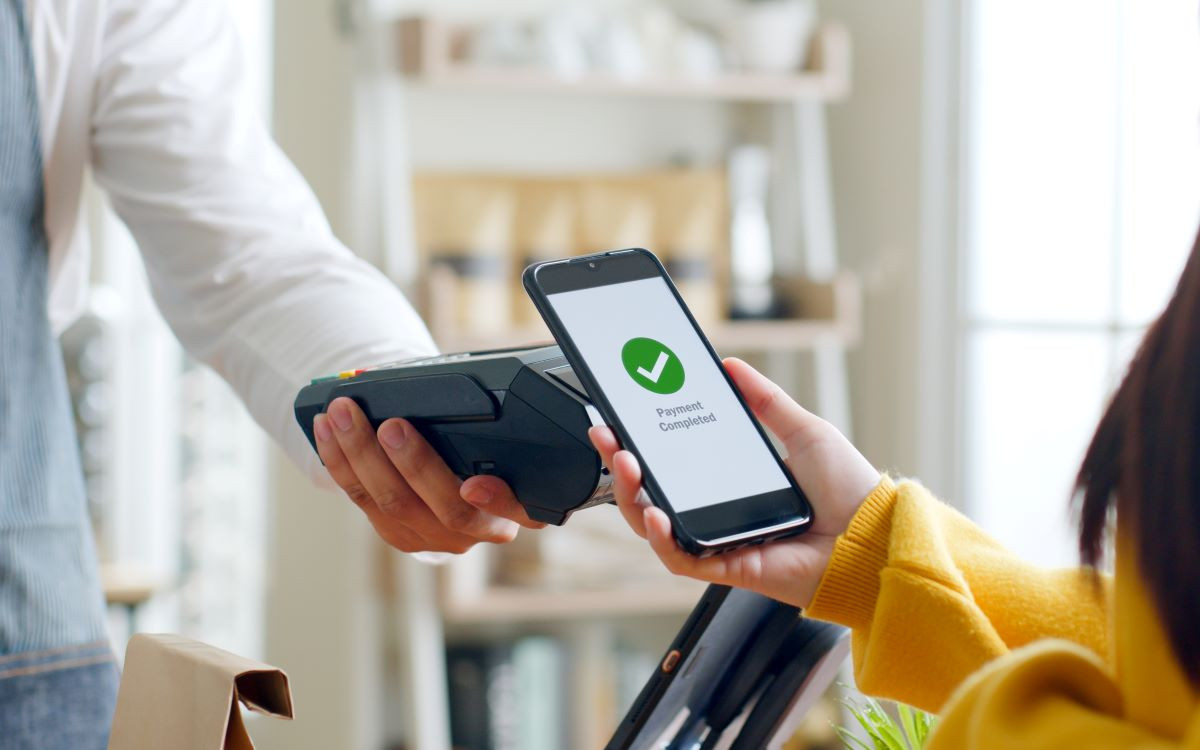
- CBDCs: Central bank digital currencies enabling instant global payments
- IoT-integrated payments: Cars, appliances, and connected devices making automatic payments
- AI in payments: Exchange rate optimization, fraud detection, and automated reporting
- Asset tokenization: Instant payments and micro-investments via digital tokens
- Micropayment economy: Frictionless payments for small digital products and services
How to Choose the Right Method
When deciding, consider:
- Payment amount and frequency
- Required speed
- Total costs
- Legal and security risks
- The technological comfort level of the user or business
A best practice is to combine methods depending on the scenario: small remittances via fintech P2P, business payments through hybrid digital banks, and tokenized investments via blockchain.
Conclusion
Choosing the right international payment method is essential to save time, money, and reduce risk.
- Traditional banks: Maximum security, but slow and expensive
- Fintech P2P: Fast, affordable, and accessible
- Stablecoins / Blockchain: Instant and global, with careful management
- Hybrid digital banks: A balance of speed, security, and regulation
By integrating FINANCE / AI and blockchain, international payments become more efficient, secure, and aligned with the digital future..