Introduction: More Than Digital Money
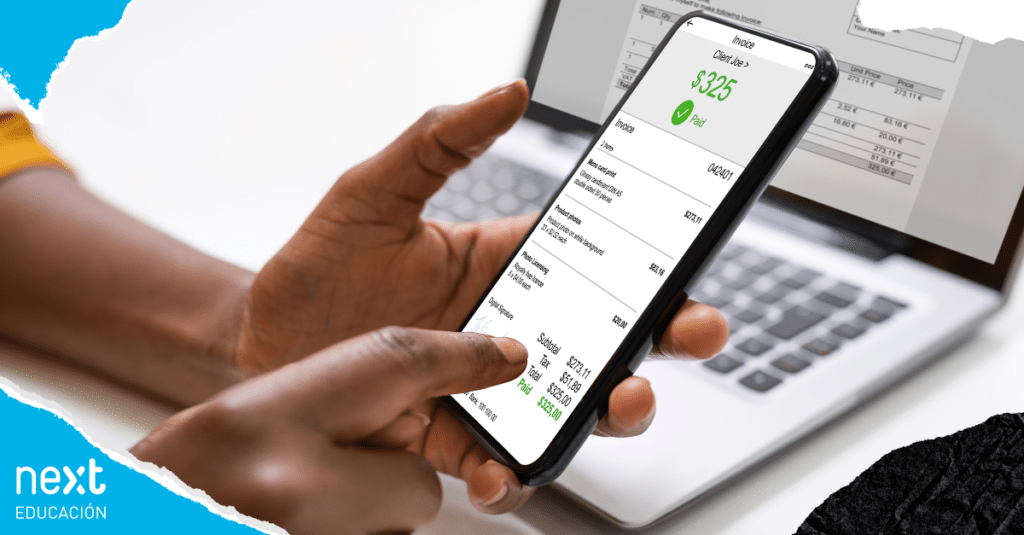
When people hear the term “tokenization,” many think only of cryptocurrencies. However, asset tokenization goes much further: it allows tangible and intangible assets to be represented through digital tokens, enabling payments, investments, and transactions on a global scale.
In the world of FINANCE / AI, tokenization is redefining payment systems by making international transactions faster, more secure, and more accessible. This article explains how asset tokenization works, its benefits, risks, and the key trends shaping the future of global commerce.
What Is Asset Tokenization?
Tokenization is the process of converting a physical or financial asset into a digital token that can be transferred, bought, or sold on a blockchain network.
Types of Assets That Can Be Tokenized:
- Financial assets: stocks, bonds, investment funds
- Real estate: fractional ownership of properties
- Commodities: gold, oil, precious metals
- Intangible assets: copyrights, software licenses, digital collectibles
Each token represents a verifiable digital share of the underlying asset, improving global mobility and liquidity..
How Tokenization Impacts Payment Systems
Tokenization enables more efficient payments in several ways:
- Instant transfers: Tokens can move between users in any country without intermediaries
- Lower costs: Correspondent banks and high fees are eliminated
- Greater transparency: All transactions are recorded on the blockchain
- Micro- and macro-payments: From small purchases to fractional investments in global assets
Practical Example: Real Estate Tokenization
Imagine a building valued at USD 1 million:
- Without tokenization: Buying a stake requires slow legal processes, intermediaries, and large capital commitments
- With tokenization:
- 1,000 tokens of USD 1,000 each are issued
- Global investors can purchase tokens directly
- Payments and transfers are instant
- Fractional ownership is fully traceable and secure
This model opens access to investments previously reserved for large institutional capital.
Benefits of Tokenization in International Payments
- Efficiency: Fast, automated transactions
- Global liquidity: Previously illiquid assets can be partially sold
- Security: Blockchain and smart contracts ensure integrity and traceability
- Reduced intermediaries: Direct payments without correspondent banks or layered fees
How AI Enhances Tokenization
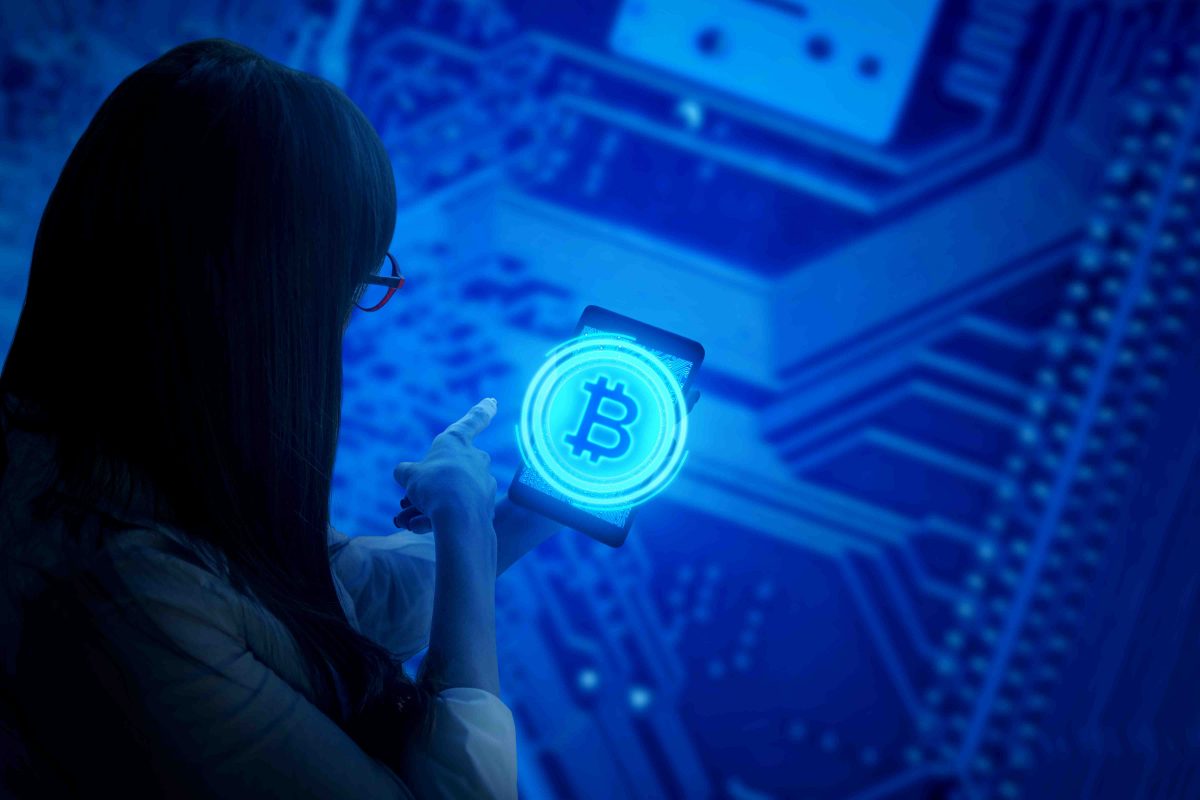
Artificial intelligence complements tokenization in several key ways:
- Risk analysis: Automatically evaluates the security and viability of transactions
- Price optimization: Determines fair token value using real-time data
- Fraud detection: Identifies unusual patterns and prevents illicit activity
- Regulatory compliance: Ensures transactions comply with local and international regulations
This combination of AI + blockchain + FINANCE is critical for the mass adoption of tokenized payment systems.
Key Use Cases
- Corporate finance: Companies tokenize assets to raise global capital and enable instant international payments
- E-commerce: Tokenized micropayments enable fast and secure global purchases
- Retail investing: Individual users gain access to assets that were previously unreachable
- Remittances: Fractional token-based transfers that are cheaper and faster than traditional methods
Challenges and Risks
Despite its potential, tokenization faces several challenges:
- Regulation: Laws vary by country, and some jurisdictions do not legally recognize tokens as asset representations
- Volatility: Tokens may lack stable value, especially if linked to cryptocurrencies rather than real assets
- Technological security: While blockchain is secure, platforms and wallets may be vulnerable
- User education: Many users do not fully understand how tokens work or the associated risks
Risk Mitigation Strategies:
- Use tokens backed by real assets or stablecoins
- Choose regulated and audited platforms
- Educate users on benefits and risks
- Apply strong security practices
Key Use Cases
- Corporate finance: Companies tokenize assets to raise global capital and enable instant international payments
- E-commerce: Tokenized micropayments enable fast and secure global purchases
- Retail investing: Individual users gain access to assets that were previously unreachable
- Remittances: Fractional token-based transfers that are cheaper and faster than traditional methods
Challenges and Risks
Despite its potential, tokenization faces several challenges:
- Regulation: Laws vary by country, and some jurisdictions do not legally recognize tokens as asset representations
- Volatility: Tokens may lack stable value, especially if linked to cryptocurrencies rather than real assets
- Technological security: While blockchain is secure, platforms and wallets may be vulnerable
- User education: Many users do not fully understand how tokens work or the associated risks
Risk Mitigation Strategies:
- Use tokens backed by real assets or stablecoins
- Choose regulated and audited platforms
- Educate users on benefits and risks
- Apply strong security practices
Future Trends
- CBDCs and official tokens: Central banks exploring digital currencies to enable global payments
- Tokenization of everyday assets: From vehicles to art and patents
- Fintech integration: Direct, instant, global payments based on tokenized assets
- Intelligent automation: AI-enhanced smart contracts optimizing payments and compliance
- Tokenized micropayment economy: Consumers paying fractions of products or services seamlessly
How Users Can Take Advantage of Tokenization
- Choose reliable, regulated platforms
- Verify that tokens are backed by real assets
- Use secure wallets with multi-factor authentication
- Learn about volatility risks and digital security
- Take advantage of instant international payments and micropayments
Conclusion
Asset tokenization is transforming not only investing, but also global payment systems.
For users:
- Faster, safer, and more transparent payments
- Access to global assets previously out of reach
- The ability to make micropayments and micro-investments
For businesses:
- Reduced intermediary costs
- Market expansion and asset monetization
- Automation and efficient compliance powered by AI
In summary, combining FINANCE / AI, blockchain, and tokenization is redefining the digital economy and international payments—laying the foundation for a more efficient, inclusive, and transparent financial future.