
As technology becomes more deeply integrated into our daily lives, the way we manage, move, and protect money is also transforming. It is no longer enough to understand basic principles such as saving or budgeting. Today, it is essential to recognize the specific risks that emerge when finance operates within a highly digitalized, interconnected, and constantly evolving environment.
Financial risks in this context range from technological threats to vulnerabilities related to massive data flows, automated systems, and transactions executed without direct human intervention. Understanding these risks not only helps minimize potential losses but also enables more informed decision-making in managing personal or institutional finances.
This article examines the main risks faced by individuals and organizations in a world where digital systems and finance converge, offering a clear perspective on the factors that must be considered to better protect resources and maintain economic stability.
What Financial Digitalization Means
Financial digitalization refers to the use of technology to manage, analyze, and transfer money through electronic systems. This includes:
- Digital infrastructures
- Online financial platforms
- Process automation
- Large-scale data utilization
This transformation has made finance faster and more accessible—but also more complex.
Why Financial Risks Have Changed
In the past, many financial risks were tied to physical or local factors. Today, digital interconnection has expanded both the scope and speed at which risks can materialize.
Key reasons include:
- Globally connected systems
- Real-time information flows
- Automated decision-making processes
- Rapid propagation of errors
Understanding modern financial risks therefore requires analyzing the digital context in which they arise.
Main Financial Risks in the Digital Environment
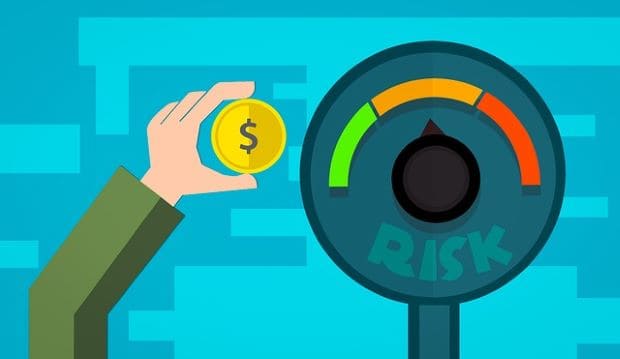
Several types of financial risks are associated with digitalization. The most relevant are outlined below from an educational perspective.
Technological Risk
The financial system increasingly depends on technological infrastructure. Technical failures, service interruptions, or errors in automated systems can generate significant economic impact.
This risk includes:
- Infrastructure breakdowns
- Software errors
- Excessive dependence on digital systems
Cybersecurity Risk
One of the most visible risks in digital finance relates to information security. Unauthorized access to financial data can result in economic losses and erode trust in the system.
Cybersecurity has become a core component of the modern financial environment.
Operational Risk
Automation reduces human error but introduces operational risks if systems are not properly monitored.
Examples include:
- Misconfigured automated processes
- Inadequate control mechanisms
- Overreliance on algorithms
Data and Information Risk
Digital finance relies heavily on data analysis. If data is incorrect, incomplete, or biased, the resulting conclusions may be flawed.
This risk increases when:
- Large volumes of information are processed
- Analytical models lack transparency
- Context is missing from analysis
The Role of Artificial Intelligence in Financial Risk
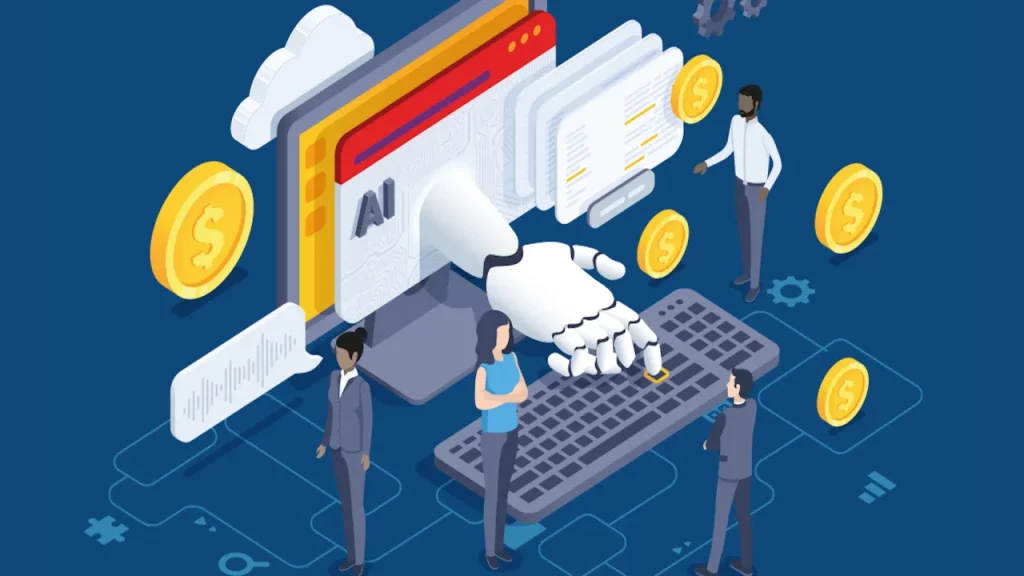
Artificial intelligence has improved financial system efficiency but also introduces new challenges. Automated models make decisions based on historical data, which may not accurately reflect rapidly changing environments.
Important considerations include:
- Algorithmic bias
- Limited explainability of models
- Overconfidence in automated systems
AI should be viewed as a support tool, not an infallible solution.
Systemic Risk in Digital Finance
Technological interconnection can amplify systemic risk—the possibility that a localized problem spreads throughout the broader financial system.
Contributing factors include:
- Global connectivity
- Rapid information transmission
- Interdependence among systems
Understanding systemic risk is essential for interpreting large-scale financial events.
Financial Education as a Mitigation Tool
While many financial risks are structural, financial education plays a fundamental role in mitigating their impact.
Understanding:
- How digital systems function
- The limitations of technology
- What information is truly relevant
helps reduce decisions driven by misinformation or misinterpretation.
Technology, Investments, and Risk Perception
Digitalization has altered how investment risk is perceived. Constant access to real-time data can create an illusion of control that does not necessarily reflect underlying uncertainty.
Common effects include:
- Impulsive reactions to market updates
- Information overload
- Short-term focus at the expense of long-term perspective
Recognizing these behavioral dynamics is part of understanding modern financial risk.
Balancing Innovation and Financial Stability
Technological innovation is essential for financial development, but it must be balanced with mechanisms that preserve stability and trust.
This balance requires:
- Adequate oversight
- Transparent systems
- Responsible use of technology
Financial stability remains a foundational pillar of the economic system.
Conclusion: Understanding Risk to Understand Modern Finance
Financial risks in a digitalized world are no longer peripheral—they are structural realities. As individuals and organizations adopt increasingly sophisticated technologies to manage money, they must also develop the capacity to identify and mitigate risks that were previously minimal or nonexistent.
The key lies not only in recognizing potential threats but in understanding how they interact with the systems used daily—from payment platforms to algorithms analyzing consumption or investment patterns—and how a combination of financial education, technological tools, and preventive practices can reduce exposure.
Ultimately, adapting to this new environment means acknowledging that digital finance offers both opportunities and vulnerabilities. The ability to understand and address these dynamics largely determines one’s capacity to make safer, more effective economic decisions in today’s and tomorrow’s digital economy.