
In today’s economic environment, the way people manage their money has changed more dramatically than at any other time in history. Digitalization has multiplied the options available—from apps that track expenses to tools that provide real-time insights into savings trends. However, this abundance of options can also create confusion if there isn’t a solid foundation in financial understanding.
Smart personal finance is not simply about saving more or spending less; it involves learning to use available tools strategically, understanding financial behavior patterns, and adapting decisions to current economic conditions. In this context, technology and artificial intelligence (AI) play an increasingly important role, offering more precise analyses and personalized solutions that were previously only accessible to specialized professionals.
This article explores how to effectively organize money in the digital age, what practices provide greater clarity and control, and why financial education is essential at any stage of life.
What is smart personal finance?
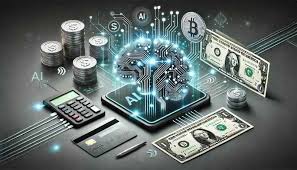
Smart personal finance is based on the conscious use of information, digital tools, and technology to manage money more efficiently. It is not just about saving or spending less—it is about understanding how the financial system works and how we interact with it.
This approach combines:
- Basic financial education
- Analysis of economic habits
- Use of digital technology
- Informed decision-making
The goal is to optimize money management in an increasingly complex economic environment.
The evolution of personal finance
Traditionally, personal finance management relied on manual methods and limited knowledge. Today, digitalization has transformed this landscape.
Key changes include:
- Immediate access to financial information
- Digital platforms for economic management
- Automation of financial tasks
- Greater transparency in transactions and expenses
This evolution has led to a smarter model, better adapted to modern needs.
The role of technology in personal finance
Technology is a cornerstone of smart personal finance. Digital tools allow users to:
- View their financial situation in real-time
- Analyze spending and savings patterns
- Receive alerts and recommendations
- Organize finances more effectively
These tools enable a more structured and conscious approach to money management.
AI and personal financial decision-making
AI has introduced a new level of analysis in personal finance. Applications include:
- Identifying financial habits
- Predicting recurring expenses
- Assessing personal financial risks
- Offering personalized educational recommendations
AI does not replace human decision-making but serves as an informative support system to improve financial understanding.
Personal finance and investments from an educational perspective
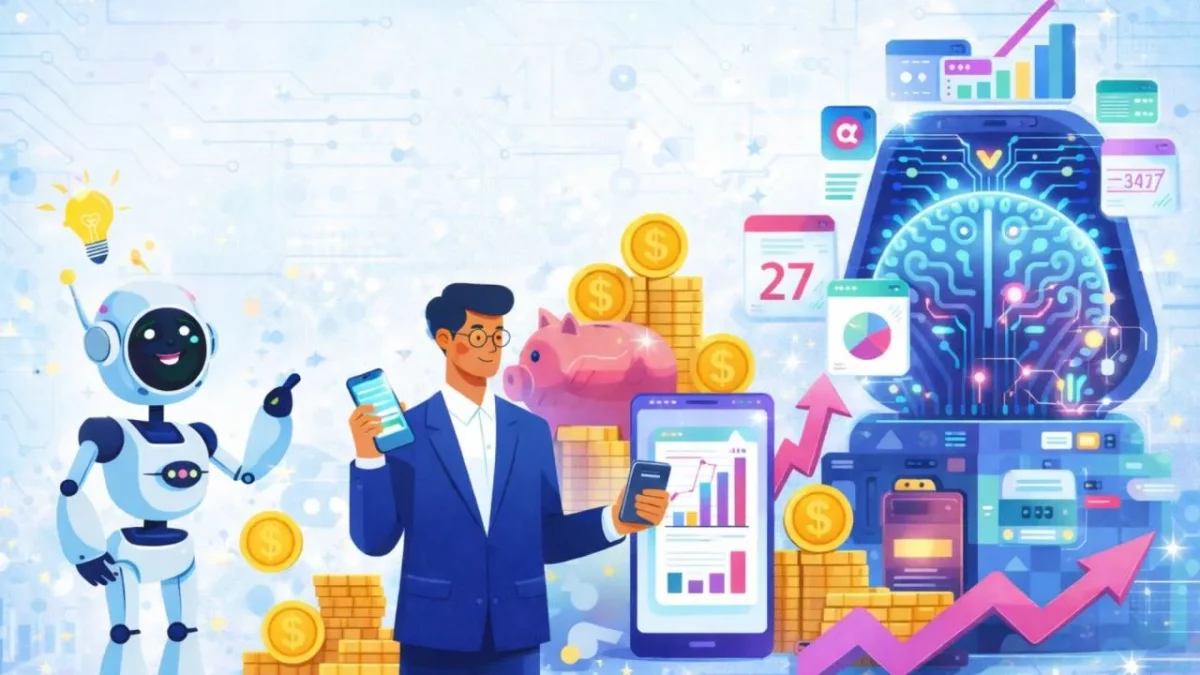
Investments, within the context of smart personal finance, should be approached from an educational, non-speculative perspective.
Understanding concepts such as:
- Time horizon
- Diversification
- Risk–reward balance
- Importance of financial knowledge
helps build a solid foundation for interpreting the financial system without needing to focus on specific products.
Benefits of intelligent financial management
Adopting a smart approach to personal finance offers multiple benefits:
- Greater control over money
- Reduced financial stress
- Improved economic planning
- Clearer understanding of the financial environment
These benefits are directly linked to better financial education and responsible use of technology.
Risks and challenges in digital money management
Despite its advantages, there are challenges to consider:
- Overreliance on digital tools
- Security and privacy risks
- Information overload
- Lack of judgment in interpreting financial data
Smart personal finance requires a balance between technology and knowledge.
Future trends in personal finance
Some trends likely to shape the future include:
- Greater financial personalization through AI
- Integration of financial data into unified platforms
- More accessible digital financial education
- Focus on long-term financial wellness
These trends reinforce the importance of developing an informed and responsible relationship with money.
Conclusion
Taking control of personal finances in the digital age involves combining information, tools, and habit. Beyond the apps or platforms that track expenses, true transformation occurs when individuals gain a deeper understanding of how money works, how it behaves in different scenarios, and what factors influence economic decisions.
Technology and automation can provide data and suggestions, but informed judgment and financial awareness allow these tools to be used effectively. Adopting smart money management practices today not only improves individual financial stability but also lays the foundation for making informed decisions about investments and long-term planning.
In a world where information is accessible to everyone, the difference lies in the ability to understand, analyze, and apply it strategically.
This content is for educational purposes only and does not constitute financial advice. Consult professional sources before making financial decisions.