
We live in an era in which every technological advance not only creates new tools, but also redefines how markets, industries, and economic behavior function. When we talk about technology trends, we are not referring merely to what is new or eye-catching—we are referring to structural forces with the power to reshape how individuals and organizations understand and manage money.
These trends do not affect only technical domains. They directly influence everyday financial decisions, the way investments are analyzed, and how institutions manage risk and efficiency. From artificial intelligence capable of processing massive datasets to automated systems that optimize financial operations, each technological innovation leaves a mark on the global financial system.
This article examines the most relevant technology trends today, how they are influencing finance and investments, and why understanding them is essential to correctly interpret the future of the digital economy.
What we mean by technology trends
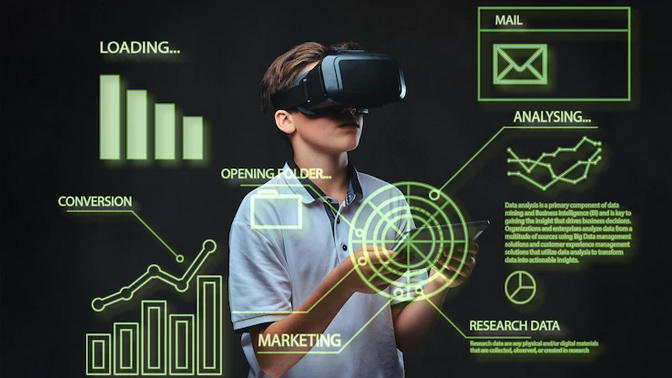
Technology trends are innovations and developments that define the direction of digital evolution. They are not limited to new devices, but represent structural changes that transform processes, markets, and behavior.
Key characteristics include:
- Rapid growth and global adoption
- Transformation of traditional industries
- Integration with the digital economy
- Disruptive potential in finance and investing
Identifying these trends makes it possible to anticipate both opportunities and risks within the financial ecosystem.
Major technology trends shaping finance today
1. Artificial Intelligence (AI) and machine learning
AI remains the primary engine of technological transformation. Its applications in finance and investing include:
- Predictive market analysis
- Automation of financial processes
- Risk management
- Personalization of digital financial services
AI enables more informed, faster, and more efficient decision-making.
2. Blockchain and distributed systems
As discussed in the previous subcategory, these systems provide:
- Greater transparency in financial transactions
- Enhanced security
- Reduced reliance on intermediaries
- Innovation in investment models
When combined with other technologies, blockchain significantly expands the reach of the digital economy.
3. Cloud computing and digital platforms
Cloud technology enables:
- Global access to financial services
- Secure data storage
- Scalable and automated processes
- Real-time collaboration
This allows both companies and individuals to actively participate in the digital economy.
4. Internet of Things (IoT) and connectivity
IoT does more than connect devices—it generates valuable data that influences financial and strategic decision-making, optimizing investment and consumption processes.
5. Advanced cybersecurity
As digitalization accelerates, protecting data and transactions becomes critical. Advanced cybersecurity solutions help maintain trust and stability in modern financial systems.
Impact of technology trends on finance and investing

These trends are redefining how:
- Financial assets are managed
- Global markets are analyzed
- Investment portfolios are structured
- Strategic decisions are made using data
The combination of technology and AI allows individuals and organizations to operate more intelligently, reducing risk while identifying new opportunities.
Technological innovation and society
The adoption of these trends has not only economic, but also social implications:
- Improved access to financial services
- Greater availability of financial education
- Job creation in technology-driven sectors
- Increased digital inclusion
Understanding this broader dimension helps interpret the global impact of technology more accurately.
Challenges and considerations
Despite their benefits, technology trends also present challenges:
- Technological dependence
- Digital knowledge gaps
- Security and privacy risks
- Regulatory and ethical concerns
Addressing these issues is essential to ensure sustainable and responsible technological development.
The future of technology trends
In the coming years, we can expect:
- Deeper integration of AI into finance and investing
- Continued evolution of blockchain toward mass adoption
- Convergence of cloud computing and IoT to create real-time value
- Digital education and cybersecurity becoming foundational pillars
These trends will define how societies and economies interact with technology and finance.
Conclusion
Analyzing technology trends goes far beyond identifying what is “popular” or “trendy.” It means understanding how structural innovations are reshaping the way the economy operates. From how financial data is analyzed to how large volumes of information are managed for decision-making, technology is reconfiguring the financial ecosystem.
The impact of these trends extends beyond technical efficiency. They influence how individuals understand their relationship with money, how businesses build competitive advantages, and how global markets adapt to new paradigms. Integrating an informed perspective on these trends—along with a critical understanding of AI and investing—allows not only adaptation to change, but also clearer anticipation of what lies ahead.
In an increasingly digital economic environment, understanding these transformations is a fundamental tool for anyone who wants to stay informed and participate consciously in the dynamics of the modern economy.
This content is for educational purposes only and does not constitute financial advice. Consult professional sources before making financial decisions.