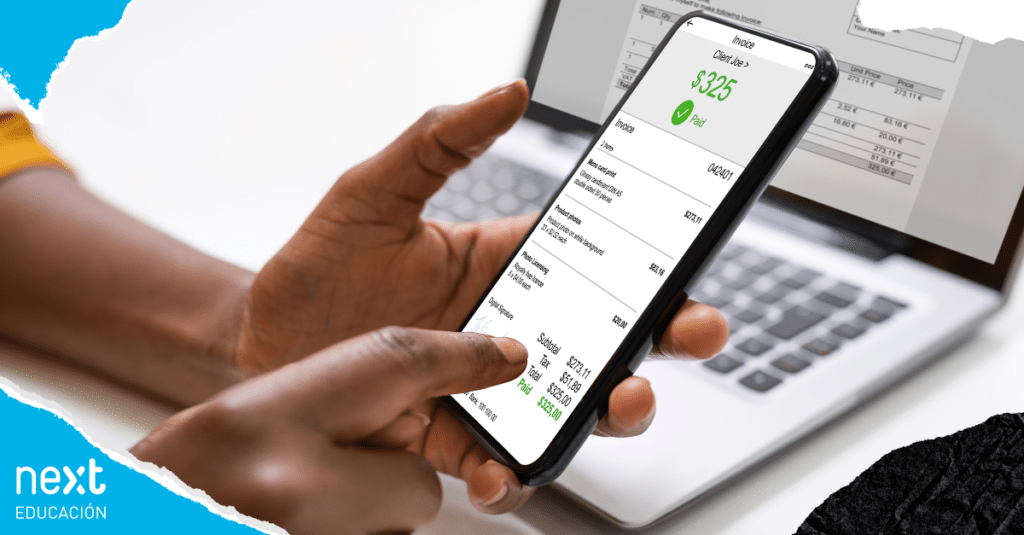
Managing money today is not a static task—it involves analyzing decisions, anticipating changes, and leveraging tools that provide clear visibility and control over financial resources. In the digital age, money management has reached a new level thanks to technological solutions that deliver real-time information, automate routine tasks, and help identify spending and saving patterns.
However, for many people, the challenge is not the availability of tools but knowing how to integrate them effectively into their financial lives. Smart personal finance today requires more than traditional habits; it demands understanding how to apply emerging technologies and efficient strategies that enhance financial control without unnecessary complications.
This article explores the main tools and approaches that help organize, plan, and optimize personal finances in a digital context, as well as how data-driven and AI-powered technologies are facilitating the process.
The Importance of Smart Personal Finance
Smart personal finance goes beyond simply saving money—it’s about making informed decisions regarding spending, saving, and investing. Digitalization has opened up new possibilities:
- Budgeting and expense tracking apps
- Automated spending analysis tools
- Platforms that integrate savings, investments, and financial planning
- Real-time alerts on transactions and opportunities
Understanding these tools helps maximize resources, minimize risks, and gain greater control over your money.
Key Digital Tools for Financial Management
Technology offers concrete solutions for managing personal finances effectively:
- Budgeting and expense tracking apps: Automatically record income and expenses and generate clear reports.
- Beginner-friendly investment platforms: Facilitate the purchase of assets and portfolio tracking with real-time data.
- AI-powered financial assistants: Analyze spending habits and provide personalized recommendations without human intervention.
- Digital wallets and mobile payments: Streamline transactions and allow instant control over cash flow.
These tools simplify personal finance management and provide valuable insights to make smarter financial decisions.
Strategies to Optimize Personal Finances
Beyond tools, adopting clear strategies is essential:
- Set realistic budgets: Allocate income to spending and saving categories.
- Short- and long-term planning: Define financial goals for purchases, emergencies, and investments.
- Continuous financial education: Understand financial concepts, risks, and investment opportunities.
- Responsible use of technology: Protect personal data and choose secure applications.
Implementing these strategies helps maintain financial control, reduce debt, and take advantage of opportunities in the digital economy.
How Artificial Intelligence Enhances Personal Finance
AI has transformed personal finance management in several ways:
- Analyzes spending patterns to identify unnecessary expenses
- Predicts savings needs based on habits and goals
- Optimizes investment decisions with personalized guidance
- Sends alerts about financial risks or market changes
By combining AI with digital tools, users can make smarter, safer decisions, avoid common mistakes, and improve overall financial health.
Risks and Considerations in Digital Personal Finance
While digitalization offers many benefits, it also introduces risks that must be managed:
- Data security: Use reliable platforms and protect passwords.
- Technology dependence: Avoid making all decisions solely through apps.
- False investment claims: Verify information before acting.
- Information overload: Filter trustworthy sources to prevent hasty decisions.
Effectively managing these risks ensures that digital tools enhance financial management without compromising security.
Future Trends in Smart Personal Finance
Some trends that will shape the future of digital personal finance include:
- Automated saving and investing: Apps that adjust contributions automatically based on goals.
- Advanced predictive AI: Systems that anticipate expenses and optimal investment decisions.
- Integration of multiple platforms: A connected ecosystem linking bank accounts, investments, and payments.
- Digital financial education: Interactive courses and simulators that simplify complex financial concepts.
These trends demonstrate how technology and AI will continue to transform money management into a smarter and safer process.
Conclusion
Optimizing personal finances in the digital age goes beyond using apps or advanced platforms—it requires an informed mindset supported by data, conscious habits, and strategies that enable clearer financial decision-making. Technology, from expense trackers to automated analysis systems, provides valuable support, but its effectiveness depends on how it is integrated into individual routines and goals.
Digitalization has expanded the possibilities for better money management, but it also requires continuous learning to use these advantages responsibly. Knowing and applying the right tools, along with a solid understanding of fundamental financial principles, allows information to be transformed into effective decisions that lead to greater stability and control.
In an environment where technology and finance increasingly converge, mastering these strategies not only improves financial management today but also lays the foundation for sustainable financial well-being in the future.